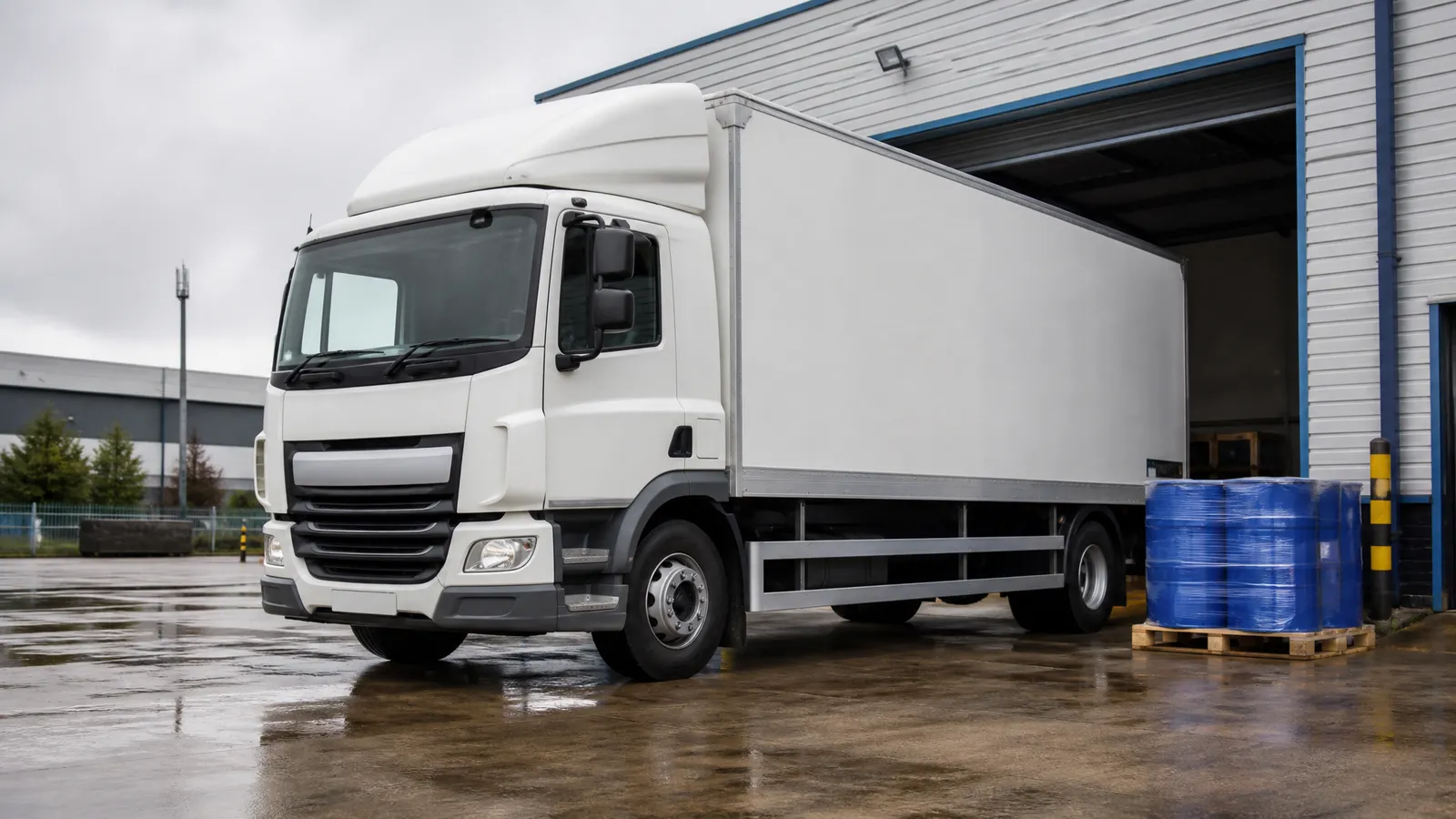
ADR is the set of rules for carrying dangerous goods by road. If you have asked "what is ADR?" because a chemical, solvent or fuel needs to be moved, this guide explains what ADR covers, how dangerous goods are classified and who has legal duties under it. It is written for businesses that produce or hold chemical waste and want a clear overview of the rules.
What is ADR?
According to the Department for Transport's guidance on moving dangerous goods, ADR is the European Agreement concerning the International Carriage of Dangerous Goods by Road. It sets out requirements for the classification, packaging, labelling and certification of dangerous goods, along with specific vehicle and tank requirements and other operational rules.
In Great Britain (England, Wales and Scotland), ADR is applied through the Carriage of Dangerous Goods and Use of Transportable Pressure Equipment Regulations 2009, as amended. These are often shortened to CDG 2009.
Road is only one part of the picture. Separate international rules cover dangerous goods carried by rail, sea, air and inland waterway, all based on the same UN classification system.
The nine classes of dangerous goods
Dangerous goods are grouped by their main hazard. The Department for Transport lists the nine UN classes as:
- Explosives
- Gases (flammable, non-flammable non-toxic, and toxic)
- Flammable liquids
- Flammable solids, including substances that are spontaneously combustible or give off flammable gas in contact with water
- Oxidising substances and organic peroxides
- Toxic and infectious substances
- Radioactive material
- Corrosive substances
- Miscellaneous dangerous substances
Within most classes, a packing group (PG I, PG II or PG III) shows the level of danger, with PG I the highest. Together, the class and packing group decide how the goods are packaged, labelled and carried.
Many of the chemicals that businesses ask us about fall into these classes. Solvents and fuels, for example, are often flammable liquids, which is why ADR comes up regularly alongside solvent disposal and fuel disposal.
Who has duties under ADR?
ADR is not only a matter for the haulier. The government guidance states that the consignor, meaning the person or business sending the goods, is responsible for classifying, marking and packaging them.
The regulations can also apply to anyone who allows dangerous goods to be carried. That can include consignors, freight forwarders, warehouse staff and manufacturers whose goods are collected from their premises.
Packaging and transport documents
Packaging for dangerous goods, other than limited and excepted quantities, has to be built to UN specification standards and pass practical tests such as drop and stacking tests. UN approved packaging carries a mark beginning with "UN", followed by codes set out in the regulations. In the UK, the Vehicle Certification Agency (VCA) Dangerous Goods Office certifies dangerous goods packaging.
When dangerous goods are transported, the load must be accompanied by a transport document describing the goods and their nature. The consignor completes this document. The Department for Transport guidance notes that the legislation sets out some occasions when it may not be needed, for example for limited quantities.
Dangerous Goods Safety Advisers
Businesses that handle, process or transport dangerous goods on a regular basis must appoint a Dangerous Goods Safety Adviser (DGSA). The DGSA guidance note published on GOV.UK explains the role in more detail.
There are two situations where a DGSA is not needed:
- the quantities carried are smaller than those set out in the legislation
- dangerous goods are transported, loaded or unloaded only occasionally, and this is not a main or secondary activity of the business
A DGSA's duties include monitoring compliance, advising the business on dangerous goods transport, preparing an annual report for management and investigating accidents or emergencies. DGSAs must hold a vocational training certificate and pass a written examination. The exams are approved by the Department for Transport and run by the Scottish Qualifications Authority (SQA).
ADR and chemical waste
Chemical waste can also be dangerous goods when it is carried by road. Two separate sets of rules then apply, and each has its own classification and paperwork.
Under waste law, the waste producer must classify the waste and describe it with a List of Waste code, often called an EWC (European Waste Catalogue) code. GOV.UK explains this in its guide on how to classify different types of waste. In England, hazardous waste also travels with a consignment note, as set out in the GOV.UK guide to disposing of hazardous waste.
ADR looks at the same material from a transport point of view. It asks which dangerous goods class applies, how the load is packaged and labelled, and what transport document goes with it. A waste code does not replace an ADR classification, and an ADR classification does not replace a waste code. Information from the Safety Data Sheet (SDS) for the original product is often used for both. Laboratories, for example, can hold many small containers from different classes, which is one reason laboratory waste collections are planned around both sets of rules.
If you are unsure how ADR applies to a particular waste, speak to our team rather than guessing.
Who enforces ADR in Great Britain?
For road transport in Great Britain, the Department for Transport guidance names the Health and Safety Executive (HSE), the Office for Nuclear Regulation and the Department for Transport as the enforcing authorities, working with the police and the Driver and Vehicle Standards Agency (DVSA). On international journeys, each country along the route enforces its own requirements.
Find out more about ADR transport
This guide focuses on ADR as it relates to chemical waste. For a fuller guide to moving dangerous goods that are not waste, our sister site explains what ADR transport is and how it works for UK businesses.
To discuss your waste, contact our team on 0845 366 9306 or email enquire@hazardousdisposal.co.uk.
This article is for general information only and does not constitute professional, legal or chemical advice. Waste producers are legally responsible for correctly classifying their waste. For guidance on your specific waste, please contact our team.